The Maréchal de Chastellux (died in 1453)
In the midst of the Hundred Years’ War, he defeated the Franco-Scottish armies at the Battle of Cravant on July 31, 1423. Following the battle, he returned the village of Cravant to the chapter of canons of the Auxerre Cathedral, who, in gratitude, bestowed upon him the title of “first hereditary canon.”
Marshal de Chastellux’s tomb can still be found today in one of the cathedral’s chapels.
François-Jean de Chastellux (1734 – 1788)
His upbringing was deeply influenced by the personality of his maternal grandfather, Chancellor d’Aguesseau, from whom he inherited intellectual curiosity, a taste for progress, and a sense of the public interest.
He joined the army at age 13, fought in the Seven Years’ War, and then commanded the Guyenne Regiment for ten years. During all those years in the army and at war, he learned German, English, and Italian, and developed an interest in science. He was passionate about music, literature, and theater, and would go on to write about all these subjects.
In 1771, he left the army to devote himself to writing and traveled to Italy and England. His work on philosophy and political history, De la Félicité Publique, or Considerations on the Fate of Mankind in Different Epochs of History, in which he demonstrated liberal and progressive views, was a great success and aroused Voltaire’s enthusiasm.
His friends belonged to the intellectual and cosmopolitan circles of the time: the philosopher Helvétius, Buffon, Grimm, d’Alembert, Madame de L’Espinasse, the English philosopher David Hume, Benjamin Franklin, and later Madame de Staël. He wrote the entry on “the ideal” for the Encyclopédie and was elected to the Académie Française in 1775.
He also distinguished himself by successfully testing the smallpox vaccine on himself, with Buffon’s help, for the first time in France.
He took up arms once again, fighting alongside Rochambeau during the American War of Independence, and distinguished himself at the Battle of Yorktown in 1781. Fluent in English, he played a key role in the peace negotiations and became friends with Washington, who wrote to him upon their parting in 1782:
“I can truly say, that never in my life did I part with a Man to whom my soul clave more sincerely than it did to you”
Reflecting on those three years spent in the United States, he went on to write *Travels in North America in the Years 1780, 1781, 1782, which was well received by Americans, particularly Jefferson, who was stationed in Paris at the time.
It is therefore to him that the eldest members of the Chastellux family owe the honor of being members of the Society of Cincinnati of France, founded in 1784.
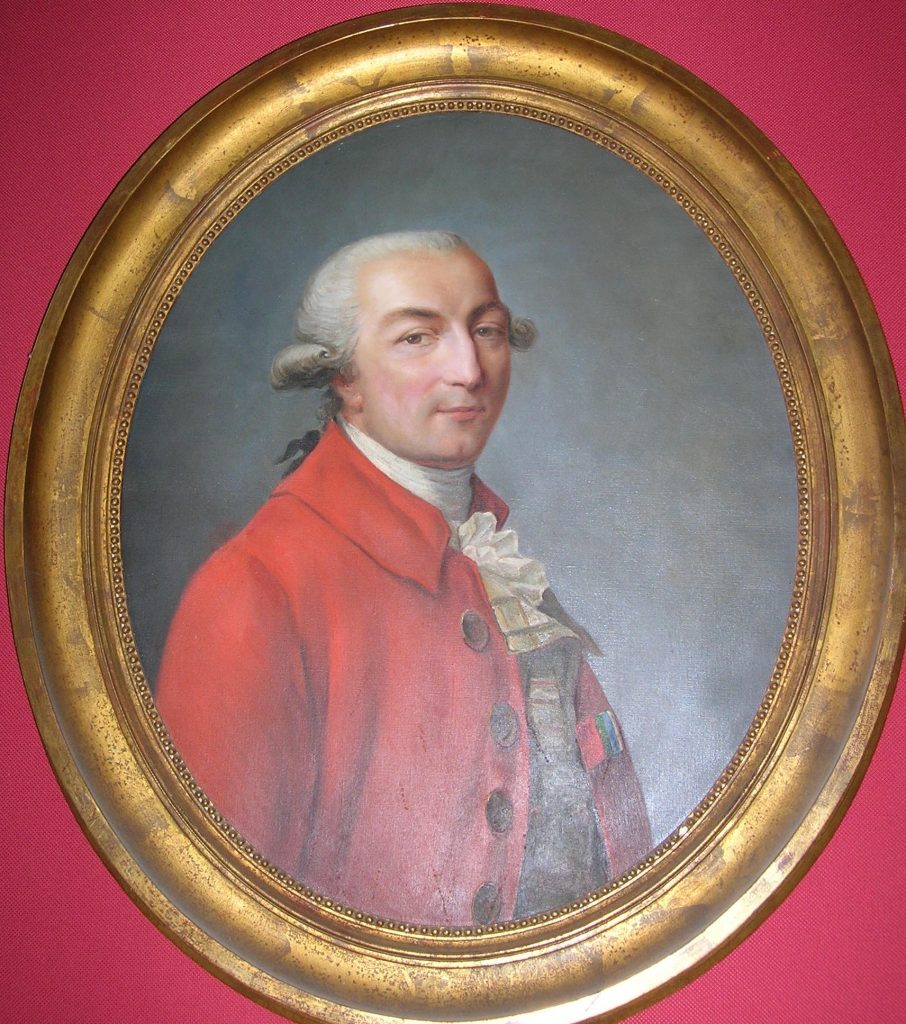
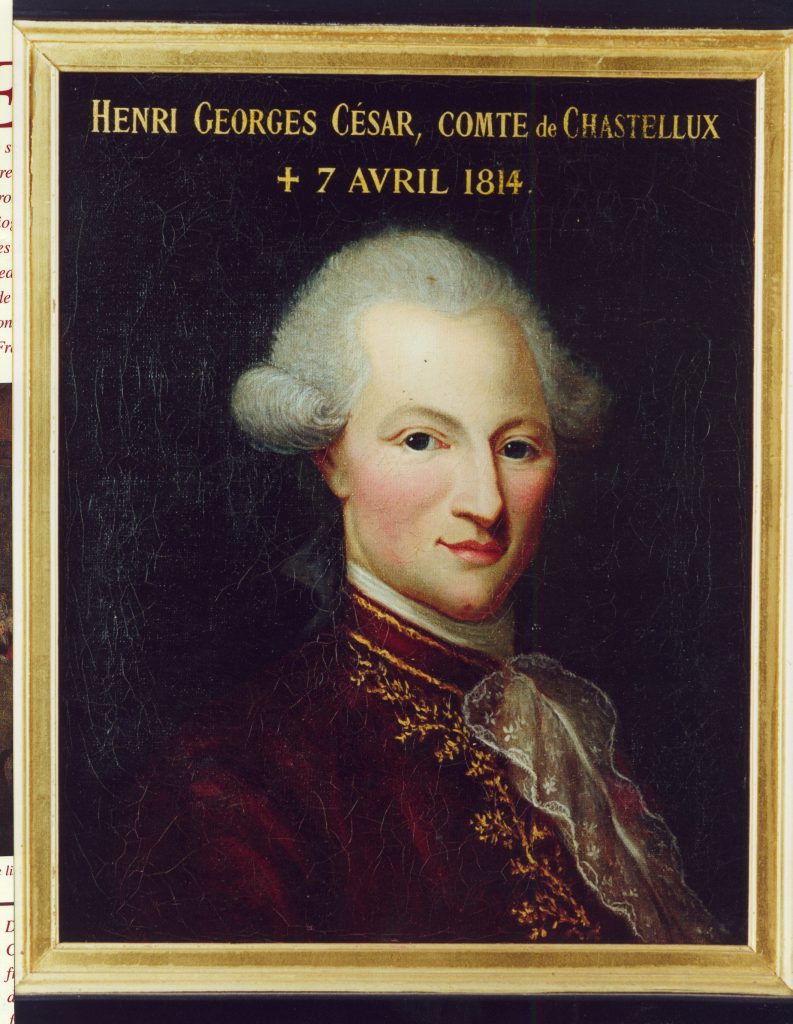
Henri-Georges-César (1746 – 1814)
As a Knight of Honor to Madame Victoire, Louis XVI’s aunt, she asked him and his wife to accompany her to Rome in 1791. She wanted to seek refuge with the Pope because she no longer agreed with the priests who were forced to swear an oath to the new political system. Henri-Georges-César and his wife, Angélique de Durfort, left with three of their children. The other two did not join them until 1806. When they left the family estate, they did not know that they would not return until nineteen years later, in 1810, only to find Chastellux completely devastated.
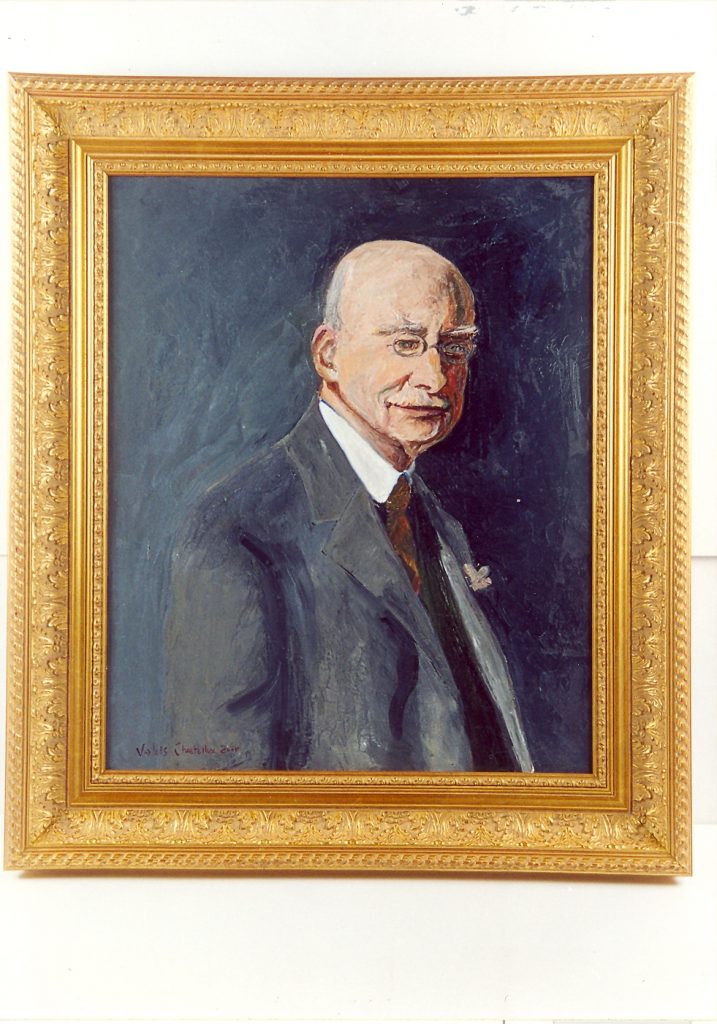
Olivier de Chastellux (1878 – 1966)
The grandfather of the current owner, Olivier de Chastellux, Duke of Duras, devoted his life to the family estate. As mayor of Chastellux from 1929 to 1953, he was passionate about the forest. This tireless forester spent his time in his woods tending to them. It is thanks to him, then, that the château is today surrounded by a beautiful forest.