


History :
According to the castle’s archives, the Chastellux park surrounding the castle was designed by André Le Nôtre (the landscape architect who designed Versailles) in the early 18th century (toward the end of Louis XIV’s reign). The canal and the two ponds as they appear today did not exist previously. The double row of chestnut and linden trees was planted in the 18th century. Near the park is the farmyard, an essential feature of a château.
Notable sites in the park:
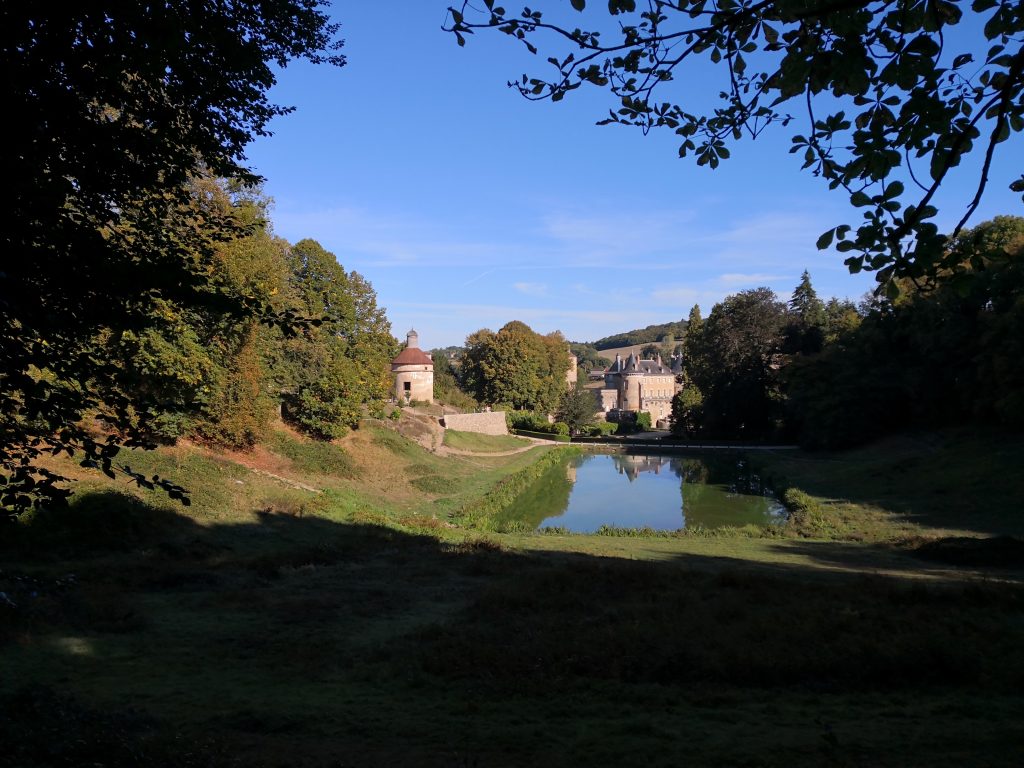
On the red trail, near the semicircular stone bench, the castle’s east facade is visible through the row of trees.
On the green trail, near the ponds, a gap in the hedge offers a view of the castle from a slight elevation.
The park is crisscrossed by paths arranged in a star shape to allow forestry vehicles to exit the forest without having to turn around, thereby preventing soil damage caused by maneuvering.
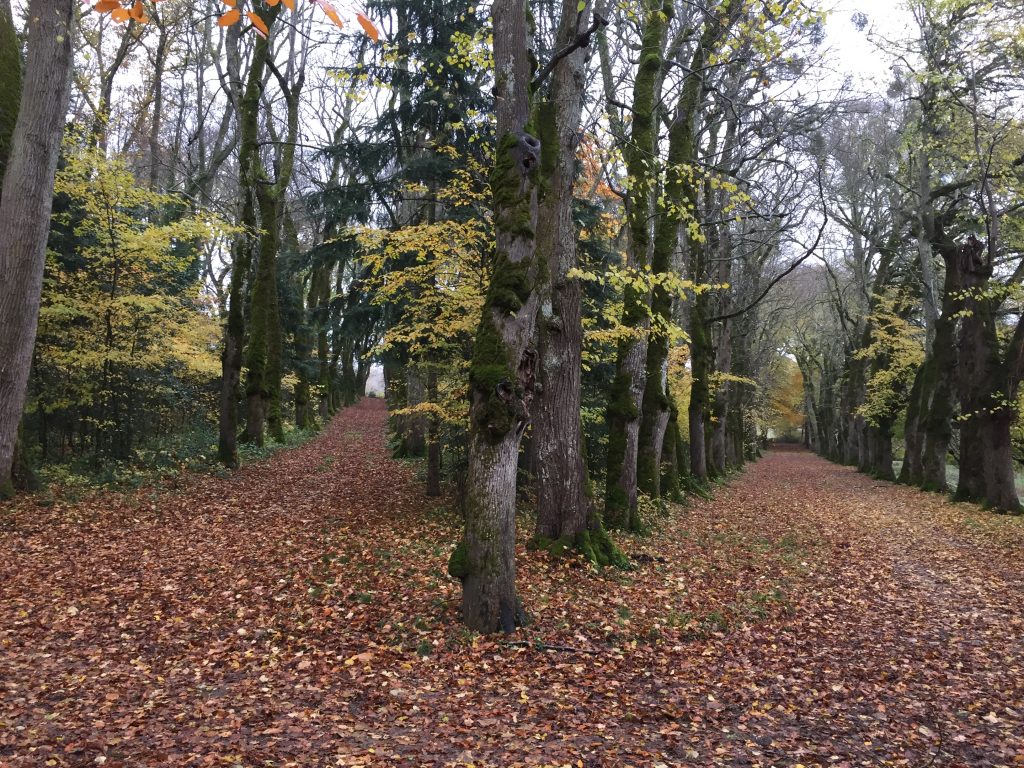
Tree species found in the park:
Visitors can stroll freely along the park’s paths at the Château de Chastellux to discover a wide variety of tree and plant species.
European tree species:
Common horse chestnut, oak, small-leaved linden, holly, beech, ash, common walnut, sycamore maple, hornbeam, common yew, pine, Norway spruce, chestnut, poplar, silver fir.
Imported tree species:
Lebanese cedar, thuja, Douglas fir, ginkgo biloba.